

Salmon catches fall in Leitrim’s Rivers as numbers decline

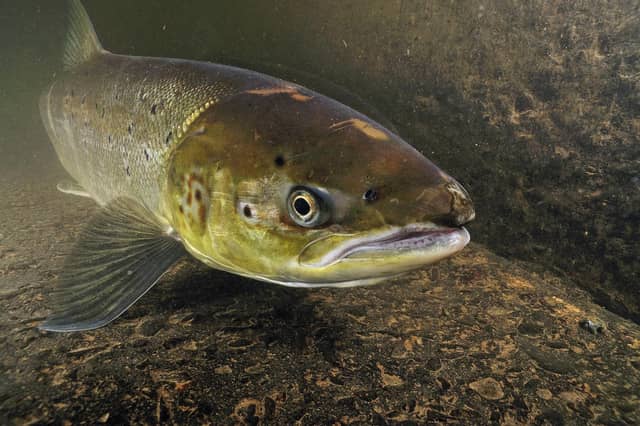

The figures show a massive drop in the number of fish returning to Irish rivers
The Salmon fishing season is coming to a close, with another year of dwindling Salmon numbers on one of Ireland’s best-known rivers.
The number of salmon caught on the River Drowes has decreased in recent years based on IFI figures, with a total of 272 salmon hooked in 2025 compared to 803 being caught in 2021.
“The overall trend, not just in Ireland and not just with ourselves, but internationally, is that salmon numbers are declining,” said Shane Gallagher, manager of the Drowes Fishery in north Leitrim.
Atlantic salmon begin their lives in freshwater rivers and streams before migrating to the sea and eventually returning to freshwater to spawn. However, fewer salmon are now making that return journey to Irish rivers.
“We would have had a good run of fish in January. It's probably maybe March now before you'd have the same numbers of fish coming back, so it's getting later,” said Gallagher, who has been at the north Leitrim fishery since 1998 and has noticed a decline in the number of Salmon in the river.
Though the River Drowes remains one of the best-stocked rivers in the country for salmon fishing, the number of salmon caught has decreased in recent years, according to IFI figures, with a total of 272 salmon hooked in 2025 compared to 803 in 2021.
Similarly, the Drumcliff River, which begins in Glenade Lough in north Leitrim and runs into Sligo, saw 111 caught in 2025, down from 140 in 2021.
The number of wild salmon returning to Ireland has progressively declined from over 1 million annually for much of the 1970s to less than 200,000 per annum in recent years, according to the IFI.
“This sharp decrease is due to many factors, and includes pressures at sea linked to climate and marine ecosystem change, impacts from fish farming, pollution, habitat degradation, barriers to fish migration, climate change, and illegal fishing,” said an IFI spokesperson.
“This is not a warning. It is happening now,” the IFI told an Oireachtas committee earlier this year, where they warned that the likes of Salmon and Trout “are internationally recognised indicator species, and their decline serves as a warning that wider ecological deterioration is occurring.”
The Drowes River runs from the Atlantic, near Bundoran in South Donegal, into Lough Melvin in north Leitrim.
Fishing season on the River Drowes runs from the 1st of January until the end of September, but this year fish caught in September are set for catch-and-release.
The area is well-known for Salmon fishing and is often the site of the first Salmon catch of the year, which was caught on Lough Melvin by local fisherman Sean Maguire.
“Normally when we opened on, say, opening day, 1st of January, you could have, you know, almost guaranteed that you'd get a fish on opening day. That's the timing that the fish are coming back is getting later,” said Gallagher.
Conditions for fishing this year have been extra difficult with the warm dry weather leading to lower water levels.
The declining salmon population has not affected tourism in the area, according to Gallagher.
“We have a very loyal customer base, and even though the fishing is probably declining- the Salmon fishing is declining- they are used to the area, and they like the people, and they return year after year.”
“I would say maybe 90% repeat customers, and they come back year after year, often second- or third-generation guests.”