

More Than Music: Ticketing collapse threatens Leitrim's rural economy


"People don't really realise the scale of it."
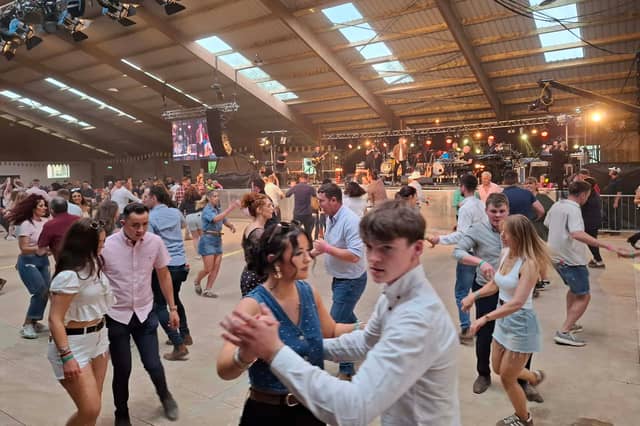
For four days every June bank holiday weekend, something remarkable happens in south Leitrim. The roads leading into Drumcoura fill with campervans. Hotels and B&Bs from Ballinamore to Carrick-on-Shannon fill weeks in advance. Pubs become busier, restaurants stay serving later, local shops see an influx of customers and buses shuttle thousands of people between the festival site and surrounding towns and villages. Cowboys and Heroes isn't simply a country music festival anymore.
For many businesses, it has become one of the most important weekends of the year. That is why the collapse of ticketing company Tickets.ie has sent shockwaves far beyond the organisers themselves.
Festival director Simon Power says Cowboys and Heroes is owed approximately €135,000 following the company's liquidation, leaving the future of one of Leitrim's biggest tourism events under a cloud. "When I went into the portal to generate an invoice, I was met with a notice saying the company had ceased trading and was entering liquidation. It was a real gut punch," he said. "We're out €135,000. We were fortunate that we had some tickets sold through outlets and on the gate, but this is a huge amount of money for any independent festival to lose. It wasn't a big enough year to absorb that kind of loss."
Power says the uncertainty stretches well beyond the festival gates. "We've been running Cowboys and Heroes for 14 years. It's a major tourism event for Leitrim and brings significant business to hotels, pubs, restaurants and local shops across the region.
"We're in total limbo at the moment and it really jeopardises the future of the event." The figures tell only part of the story. Every June bank holiday, thousands of visitors descend on Leitrim. Some stay in hotels in Ballinamore and Carrick-on-Shannon. Others book B&Bs across the county, while many more travel from neighbouring counties and return each day.
They buy breakfasts in cafés, have dinner in local restaurants, fill pubs long after the music ends, shop in supermarkets and convenience stores, buy fuel, use taxis and buses and support dozens of local suppliers. Pat Mitchell has watched that happen from behind the bar at Mitchell's in Carrigallen for years.
He says the festival changes the atmosphere across the area.
"It's all positive. It creates a new mix of people, it brings an atmosphere and it does all the good things you'd expect. We're behind it all the way." Visitors arrive from every corner of Ireland. "We'd have people coming from Cork, Galway and Kerry. They stay in hotels and B&Bs around the area and they call into the village over the weekend.
"It lights up the whole place." Mitchell says the economic impact stretches far beyond Drumcoura itself.
"It's not just one music festival. It trickles down into the whole surrounding area. "It obviously puts the festival's future in jeopardy and it's very damaging to the whole thing."
The June bank holiday has become one of the biggest trading weekends of the year. "Our weekends are good anyway, but on the bank holiday they're better, and when Cowboys and Heroes is on they're better again. It definitely improves turnover."
Festival buses linking Ballinamore, Carrigallen and Drumcoura create a steady flow of people through local villages before and after concerts.
"People park up here, get the buses out to the festival and spend time in the village. It creates a great buzz."
Few people understand the scale of the operation better than Colm Moffitt. He has worked behind the scenes at Cowboys and Heroes since the festival began more than a decade ago, helping organise staffing and logistics each year.
He says the festival has transformed the area. "If you put it into context, 12 or 13 years ago you could get a B&B that weekend. Now you're travelling 20 miles because everywhere is booked out. "People don't really realise the scale of it." According to Moffitt, the benefits spread across the county. "Smith's in Ballinamore would tell you it's their busiest weekend of the year. Every pub would say the same thing.
"The local bus company has extra drivers on. Everybody has to bring in extra staff. You can't get staff because everybody is hiring. "The knock-on effect is massive." Within the festival itself, around 100 people are employed every year. "From the people cleaning the toilets to security, it's major."
But Moffitt says that's only a fraction of the employment created.
"It's not just the festival. Every bar has to take on extra staff. Everybody benefits." When news of the liquidation broke, his first thought wasn't about ticket sales. It was about the people behind the event. "I spoke to Simon that Tuesday morning. My first thought was, 'How is Simon going to cope with this? Is everybody going to get paid?'"
He says people see four days of music but rarely appreciate what goes into making it happen. "What people don't realise is there's 12 months' work goes into that festival before we even open the gates on Friday. We've meetings six months beforehand making sure there are no loose ends.
"That's why it's such a successful festival." Power has since outlined his concerns in a sworn affidavit before the High Court, arguing that ticket revenue collected on behalf of festivals should have been protected rather than mixed with company operating funds.
For him, however, the biggest concern remains Leitrim. Cowboys and Heroes has spent 14 years growing into one of the county's flagship tourism events.
The fear now is not simply about recovering €135,000. It is about protecting an event that has become part of the economic heartbeat of rural Leitrim.
Because when the music starts in Drumcoura, it's not just the festival that comes alive. For one weekend, an entire region does too.
Political response-
Leitrim Councillor Paddy O'Rourke believes the collapse has exposed a major gap in the regulation of ticketing companies and warned that the consequences reach far beyond festival organisers.
He said Cowboys and Heroes has become a significant economic driver for south Leitrim, with benefits felt across the region long before the first act takes to the stage.
O'Rourke welcomed comments made in the Dáil suggesting support could be considered for affected festivals, but said organisers now need action rather than promises.
"The Taoiseach has indicated that some effort will be made to help the festivals that have been hardest hit, but we need to see some meat on the bones. These festivals are worth a huge amount to their local economies and we cannot allow them to disappear."
He believes the collapse has also exposed weaknesses in financial regulation.
"The Government has been found wanting here because it didn't have the necessary controls or bonding system in place. This should have been regulated."
Drawing comparisons with other professions that handle client money, O'Rourke said ticket revenue should receive similar protection.
"There should have been the same protection for festival organisers. Irish people should never have been exposed to this level of risk."
He said the future of festivals such as Cowboys and Heroes is too important to rural communities to ignore.
"These events support local businesses, create employment and bring visitors into rural Ireland. Losing them would have consequences far beyond the festival gates."
"The financial footprint this leaves behind lasts for weeks," he said. "Once people get up in the morning, they start spending money, particularly when they're away from home. It means a huge amount to local businesses."
The issue also reached the floor of the Dáil, where Sligo-Leitrim Sinn Féin TD Martin Kenny called on the Government to introduce stronger safeguards to protect festival organisers and community groups using third-party ticketing platforms. Raising the collapse of Tickets.ie during parliamentary proceedings, Deputy Kenny pointed out that the company was owned by German entertainment giant DEAG, which reports annual revenues of around €490 million, while Irish festivals and community organisations have been left owed hundreds of thousands of euro. He said the parent company "needs to be held accountable" for what has happened and argued that the current system leaves organisers far too exposed. Deputy Kenny called for ticket revenues to be held in protected or ring-fenced client accounts, similar to those used by solicitors and auctioneers, adding that "this needs to be properly regulated" to ensure festivals and voluntary organisations are never again left facing such devastating losses.