

THE LAST POINT: GAA’s AFL move may lead to bigger problems


THE LAST POINT
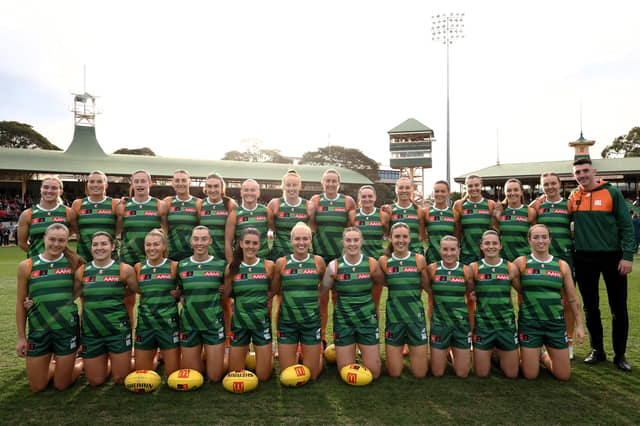
Ireland’s AFLW contingent may have been flying the green flag with pride last Saturday morning in their historic international clash with Australia but a small snippet of news carried on the AFL website could sow the seeds of much bigger problems back here at home as the GAA, and presumably the LGFA, seek to limit the amount of players heading to Oz to play Aussie Rules.
It is an emotive subject – young lads and lassies steeped in gaelic games seduced by notions of playing a professional sport in the sunshine of Australia, draining talent from clubs and counties that desperately need it. At the latest count, there are 14 Irish players with AFL clubs with the long advertised departure of Kobe McDonald to St Kilda causing understandable consternation in Mayo, the joy of their All-Ireland victory tempered by the knowledge that their young superstar is departing for Melbourne.
For the LGFA, it is much worse – 44 players will be involved with AFLW teams for the upcoming season, including our own Eilish O’Dowd (GWS Giants) and Aine Tighe (Fremantle). O’Dowd played for Ireland last Saturday and Tighe was on the coaching staff as she recovers from injury with Mayo, Dublin, Tipperary and Cork hard hit by their Australian absentees.
It is a sore point – inevitably, there is huge pride to see one of our own excelling at what is essentially a foreign sport on the far side of the globe, learning new skills where even something as simple as kicking the ‘sherrin’ is completely alien but the broadsides from managers and counties at the relationship between the GAA and and AFL is as regular as clockwork, so the news that the two bodies have had discussions on limiting recruitment from these shores for Aussie Rules doesn’t come as a surprise.
AFL.com reported the GAA are flagging ”different rules to limit their best young talents being poached by AFL clubs, including capping how many players can be taken per county team and also the process in contacting the talents and establishing links through official teams rather than direct, which is how most AFL clubs scout Irish talent”, all while the two groups are discussing a return of Men’s International Rules Series in 2027.
That’s some brazen balancing act – hey, we want our best athletes to play your best athletes in a lucrative series of matches but we don’t want you to talk to or take our best players (whom we feel we own but don’t actually own) for your teams! It takes some chutzpah to tell someone you don’t want anything to do with them; except for the odd trip to Oz for what is essentially an exhibition match!
Mayo are feeling the loss of McDonald and Mullen but, other than their LGFA mentors and board, nobody has made too much of their Ladies team getting gutted the last few years with five players in the Ireland squad. On the Men’s side, Kerry have been the hardest hit with Mark O'Connor, Cillian Burke, Rob Monahan and Ben Murphy all in Oz and that doesn’t include the lads who have returned.
But in pushing for an agreement to restrict AFL clubs access to GAA & LGFA players, I believe they are actually furthering the idea of ‘play to pay’ here in Ireland. The GAA’s amateur status is a central tenet of the Association’s identity and raison d’être but how does that stand up to an individual player’s right to choose and freedom of movement?
Say the GAA bring in a limit of one player per club or even four per county, what happens when a young player decides they want to sample the professional life down under and the GAA says no? Could said player then sue the GAA for restraint of trade and freedom of movement, in the same way Marc Bosman exploded Soccer’s transfer practices in the 1990s? For an ‘amateur’ sporting organisation, I don’t think they’d have a leg to stand on – unless they have players sign contracts and the minute they sign contracts, there goes the Amateur status.
It is a tricky one for the GAA to navigate – thousands of Irish youngsters have made the obligatory two year sojourn in Australia and, with the perception of the cost of living here in Ireland, many are extending it even longer. It has had a huge knock-on effect on GAA clubs certainly and the old talk of players returning from New York in the eighties is now replaced by the journey home from Oz, as David Bruen did for Leitrim Gaels last year and Caolan Clancy from Melvin Gaels the year before that.
We haven’t even mentioned those playing other sports – be it rugby, soccer, track & field or whatever, are the GAA going to demand a restriction on the likes of Shane Long or Niall Quinn or so many others playing professional soccer? Or Rob Kearney and so many others donning the Irish rugby jersey? Or what about camogie players Catherina McKiernan or Ciara Mageean running for Ireland? Where does it all stop?
If the GAA or LGFA are going to tell their players what they can or cannot do with their lives, in terms of employment opportunities and lifestyle choices, then they better pony up the cash. If you force players to stay on these shores, you’ve got to provide them with cash or jobs or educational opportunities and you have to make long term commitments, including carrying them through injuries or loss of form. Professional sport is a business, an often ruthless and uncaring one, but once you sign a contract, there are obligations and requirements laid out.
If that was to come to pass, that players are looked after with jobs and careers, perhaps the biggest problem is how does a county like Leitrim compete with Dublin, Meath, Mayo, Kerry or Galway, counties with bigger population bases, more industry and who can afford to spend way more than Leitrim could even dream of? We’ve all heard tales of players moving to wealthy clubs in Dublin but if there was a ‘professional support system’ for GAA and LGFA players, how long would it take for counties to cast greedy eyes at Barry McNulty or Muireann Devaney?
Announcing a limit on players joining AFL or AFLW teams sounds well and good in practice but the law of unintended consequences could see individual players taking court action to preserve their legal rights of freedom of movement and freedom of choice and that is a battle that the GAA, as well intentioned as they might be, just can’t win!