

Giant house spider warning for Irish households as temperatures start to drop
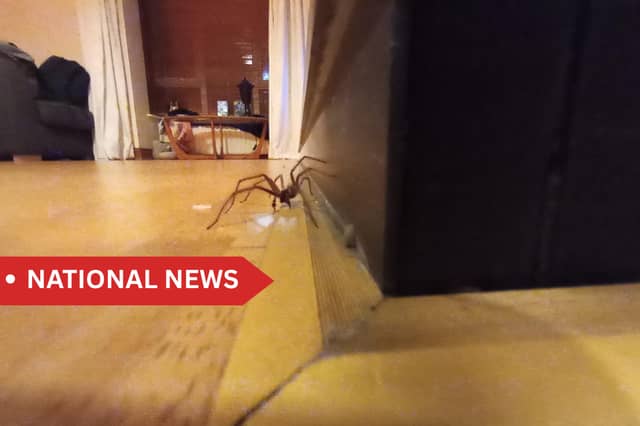

Several hundred species of arachnids are found in Ireland
As Ireland moves further into autumn and temperatures begin to drop, Rentokil has shared some handy advice to households wanting to take preventative steps to reduce the likelihood of spiders making their way into your home.
During September and October, male spiders typically become highly active in their search for a mate, while cooler outside temperatures can also encourage spiders to seek out the warmth, shelter and food available inside our homes.
Spiders can enter properties through tiny gaps around doors, windows, walls and pipework. Items brought in from gardens, sheds and other outdoor areas, such as firewood for log burners, also provide a means for them to enter homes.
Colm Moore, Regional Technical Manager for Rentokil Ireland, said:
“As temperatures outside fall, our homes can become increasingly attractive to spiders, providing warmth, shelter and a reliable source of food. September and October are also a particularly active time for male spiders as they search for a mate.
“While many people may be uneasy about finding spiders in their homes, they can actually be beneficial as they feed on flies and other insects, providing a natural form of pest control.
“However, if households want to reduce the number of spiders they encounter indoors, one of the most effective things they can do is limit the insects that spiders feed on.”
Several hundred species of arachnids are found in Ireland, but we can expect to see fewer than a dozen of these in our homes.
In terms of size, the Common House Spider typically has an overall leg span of 25-35mm, while the Giant House Spider can reach a full leg span of up to 75mm once it reaches sexual maturity. Both of these species are reluctant to bite, preferring to escape to undisturbed corners.
While most spiders commonly encountered in Irish homes are harmless and act as a natural form of pest control, some species, such as the false widow spider, can bite if squeezed or accidentally provoked. However, their bite usually only causes temporary swelling and pain, similar in intensity to a wasp or bee sting.
Rentokil's top five tips for keeping spiders at bay this autumn:
Vacuum regularly
Pay particular attention to less-disturbed areas such as beneath worktops, behind cupboards, under sofas and around large pieces of furniture.
Remove noticeable webs
Regularly clear away webs, particularly from ceiling corners, behind furniture, around picture frames and mirrors, and other quiet areas where spiders may settle.
Seal gaps and cracks
Where possible, seal gaps around walls, pipework, doors and windows to discourage spiders from entering.
Remove outdoor hiding places
Firewood piles, garden bags and compost heaps can provide shelter for spiders and other insects.
Reduce access to food
Reduce the insects and other small pests spiders feed on. Keep surfaces clean, store food securely, address damp areas and remove dead insects where possible.
For households experiencing a large or recurring spider infestation, professional pest control advice can help identify potential entry points and the source of an infestation.