

Bluetongue outbreak described as ‘very concerning’ by Leitrim farmer

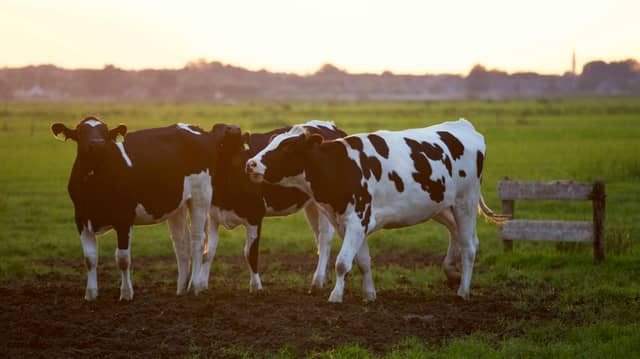

On Sunday, news emerged of a late-season outbreak of Bluetongue in two cows on a holding near Bangor, Co Down, raising concerns among Irish farmers and veterinary experts about containment.
The arrival of Bluetongue in Ireland has been described as very concerning by Leitrim farmer and Sinn Féin councillor Brendan Barry.
News broke on Sunday of a suspected outbreak in two cows on a holding near Bangor, Co Down.
“It’s very disappointing that it has arrived on the island of Ireland. I suppose we would’ve thought that we would have escaped this season given that we’re getting into colder weather. Now the fact that it is on the island is very concerning,” said Cllr Barry.
The Bluetongue virus is primarily spread through biting midges, making outbreaks more common in late spring and summer when midges are most active. Its presence at this time of year is therefore surprising.
The disease does not affect human health nor impact food quality, but it can pose serious risks to livestock.
“It can affect cattle, sheep, goats, horses, alpacas and llamas. It can be very serious in sheep,” explained Cllr Barry. “Sheep are a lot more affected by it, there’s a lot more fatalities with them.”
There is concern about the disease spreading if it is not contained. The Chair of Medicines at Veterinary Ireland has warned that if the outbreak is not controlled, it could spread late next spring and early summer.
“It’s going to cause suffering to animals. They can get very sick with it and it’s very hard then on farmers trying to help and look after sick animals,” continued Cllr Barry. “Hopefully it can be contained and it won’t spread any further, but it is worrying that it has arrived.”
The disease is more common in the UK, with 228 cases of Bluetongue reported in Great Britain since July, including 213 in England and 15 in Wales.
There are three vaccines licensed for Bluetongue, but they are not available in the south of Ireland.
Farmers are advised to contact their veterinarian if they notice symptoms of Bluetongue in their animals, which include swelling of the mouth, head, and neck; fever; lameness; and discharge from the mouth and nose.